
How U.S.–Iran Tensions Affect Your Small Business Insurance

Key Takeaways
At a Glance: How Geopolitics Affects Your Bottom Line
Premium Hikes: Global "reinsurance" costs trickled down to local policies, even if you don't do business overseas.
The Cyber "War" Clause: Most standard policies exclude damage caused by a "Direct Act of War." We explain the gray area of state-sponsored cyberattacks.
Supply Chain Inflation: Higher fuel and shipping costs in the Persian Gulf raise the “Replacement Cost” values for your property and fleet.
Risk Mitigation: Diversify your supply chain and strengthen your digital defenses to reduce your risk right now.
In today’s connected economy, a missile strike in the Persian Gulf can affect Brooklyn or New Jersey. It can happen within days. For small business owners, the issue isn’t just politics. It’s about risk, reliability, and your bottom line.
As of early 2026, military activity in the Middle East has increased. The insurance industry is making quick changes. Here is what you need to know. Protect your business and your budget.
1. The "Reinsurance Ripple": Why Your Local Premium Might Rise
You might wonder: "I don't export to Iran, so why is my General Liability or Property premium going up?" The answer lies in Reinsurance. Local insurance companies (like the ones Blue Rock works with) buy their own insurance from global giants like Swiss Re or Munich Re. When a war causes multi-billion dollar losses in marine, aviation, and energy sectors, these global reinsurers raise their rates across the board to recoup capital.
Property & Construction: Increased oil prices drive up the cost of manufacturing and transporting raw materials (steel, lumber, PVC). If the cost to rebuild your shop or house goes up, your "Replacement Cost" must increase, which raises your premium.
Auto & Fleet: Rising fuel costs are an obvious hit, but the indirect cost is "claims inflation." It becomes more expensive for insurers to pay for repairs and parts, leading to higher rates for commercial and personal auto policies.
2. The Cyber Threat: Is a "Digital Act of War" Covered?
Cyber warfare is the "Second Front" of any modern conflict. State-sponsored groups often target U.S. financial institutions and small-to-medium enterprises (SMEs) to cause economic disruption.
The Big Concern: The "Act of War" Exclusion Most standard insurance policies (Property, Life, and even some Cyber) contain an Act of War exclusion. * The Problem: If a cyberattack on your business is officially attributed to a nation-state (like Iran) as part of a military operation, your insurance company may argue that the claim is excluded.
The Reality: Proving "attribution" is legally difficult and takes years. However, insurers are tightening their language.
Small Business Tip: Review your Cyber Liability policy specifically for "Nation-State" or "Warlike Action" language. Policies with "Carve-outs" for cyber-terrorism are much safer than those with broad war exclusions.
3. Supply Chain & Trade Credit: The Hidden Vulnerability
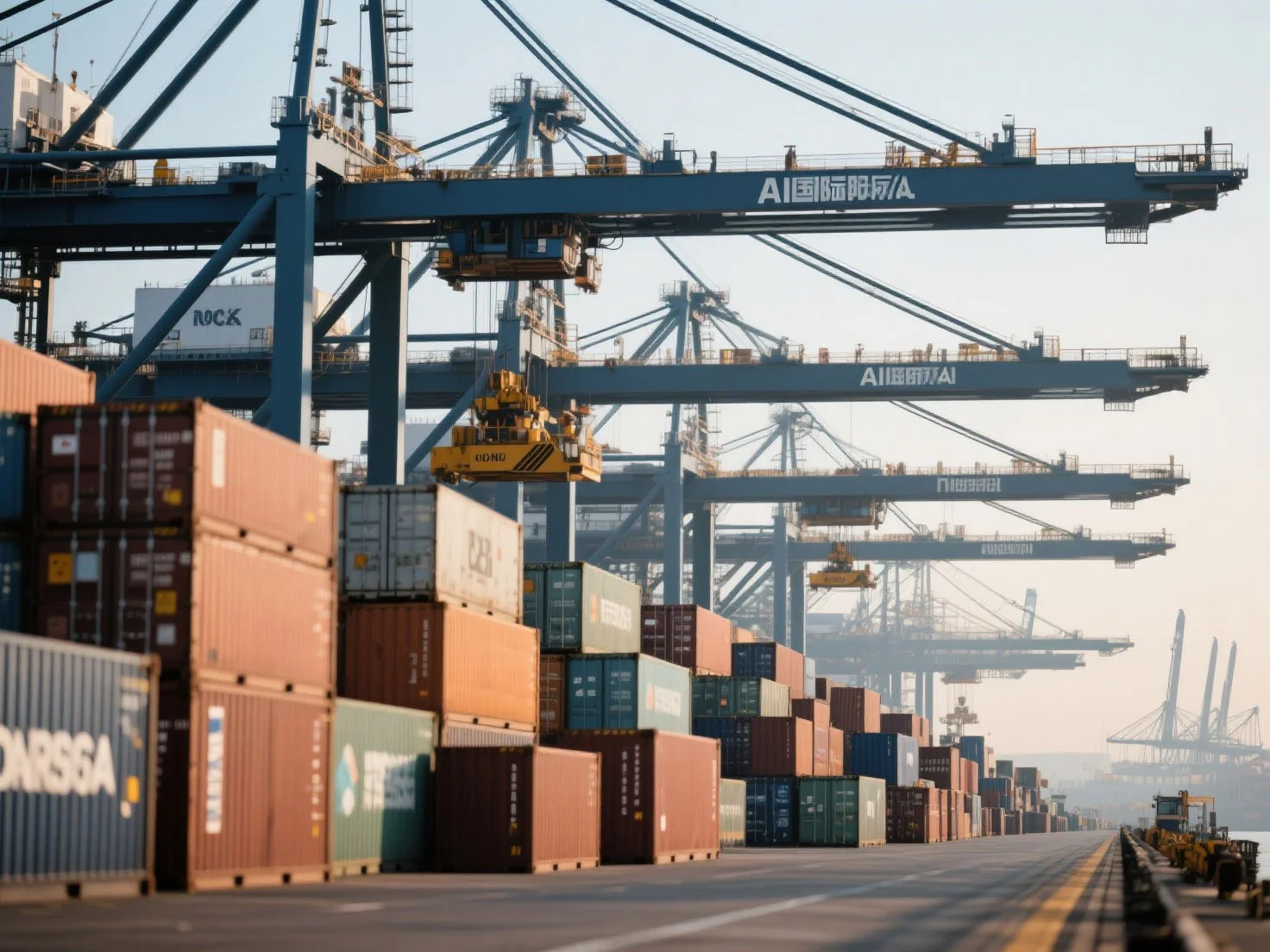
If your business relies on imported goods—even components for your restaurant’s kitchen or electronics for your office—the closure of the Strait of Hormuz is a major threat.
Shipping Delays: Rerouting ships around Africa (Cape of Good Hope) adds 15–20 days to transit.
Marine Cargo Rates: If you import inventory, expect a "War Risk Surcharge" on your shipping quotes.
Trade Credit Insurance: If you sell products to buyers in other countries, your “Trade Credit” insurance may not be available in some regions. It may also be too expensive in those regions. This insurance protects you if a buyer fails to pay. This can affect your cash flow.
Direct Exclusions Small Business Owners Should Know
Standard commercial policies are designed for "peace-time" accidents. In a conflict scenario, these common exclusions or clauses may trigger, leaving your business vulnerable if you aren't prepared:
| Policy Type | Common Exclusion/Issue | What it Means for You? |
|---|---|---|
| Commercial Property | Act of War | Damage resulting from direct military strikes or armed conflict is generally not covered by standard property forms. |
| Business Interruption | Civil Authority | If the government shuts down ports or airspace, coverage often only triggers if there is direct physical damage to your insured premises first. |
| Workers' Comp | Warlike Action | While statutory benefits usually apply, the "Employers Liability" portion of the policy may have specific exclusions for war-related injuries. |
| Travel Insurance | Known Events | Once a conflict becomes "foreseeable" or a "known event," new policies will typically not cover trip cancellations related to that specific conflict. |
Key Takeaway: Geopolitical instability can trigger narrow legal exclusions in your insurance contracts. Reviewing your "Act of War" and "Civil Authority" clauses now allows you to identify gaps before a crisis occurs.
Action Plan: How to Protect Your Business
You can’t control the geopolitical landscape, but you can control your "Risk Profile."
Audit Your Supply Chain: Can you find a domestic or "near-shore" (Mexico/Canada) supplier for your critical materials? Diversifying now reduces your exposure to shipping spikes.
Harden Your Cyber Defenses: Since "Act of War" exclusions are a gray area, the best insurance is prevention. Implement Multi-Factor Authentication (MFA) and off-site backups today.
Update Your Valuations: With inflation likely to rise during conflict, make sure your property limits match 2026 rebuilding costs, not 2021 costs.
Talk to Your Broker: Ask us this: "Does my current policy include a 'Cyber War' exclusion? Can we add a Terrorism (TRIA) rider?"
The Bottom Line
While a conflict with Iran may feel worlds away, its impact on the insurance market is a "systemic risk." By staying informed and updating your coverage limits now, you can keep your small business strong, no matter what happens worldwide.
Have questions about your specific policy? Contact the experts at Blue Rock Insurance Services at 718-886-6601 for a comprehensive risk review.