
How to Calculate Builders Risk Insurance Costs?

Key Takeaways
Builders risk insurance typically costs 1% to 4% of the total construction value.
Major cost factors include project size, location, materials, timeline, and coverage limits.
Optional add-ons—like flood, earthquake, or soft cost coverage—can increase premiums.
You can estimate costs using online calculators or manual calculations based on project value.
Comparing quotes from multiple insurers ensures the most accurate and competitive pricing.
Builder’s risk insurance is crucial for anyone involved in construction projects. It protects against unexpected events that can disrupt progress. Calculating the cost of this insurance can seem complex. However, understanding the factors that influence the price can simplify the process. This guide will help you navigate the intricacies of calculating builders’ risk insurance. Whether you're a homeowner, contractor, or builder, knowing how to estimate these costs is essential for safeguarding your investment. Let's explore the key elements that determine builders’ risk insurance costs.
What Is Builders’ Risk Insurance?
Builders’ risk insurance is a specialized type of coverage designed for buildings under construction. It offers protection against various risks that may arise during the building process.
Typically, this insurance covers damage from fires, theft, and natural disasters. It ensures that the financial investment in the project is secured.
Key features include:
Coverage for structure and materials
Protection against weather-related damage
Options to include soft cost coverage, such as legal fees
Understanding this insurance is vital for anyone involved in a construction project.
Why Is Builders’ Risk Insurance Important?
Builder’s risk insurance plays a crucial role in safeguarding a construction project. It provides peace of mind by covering unexpected damages that can lead to financial loss.
Construction projects face numerous threats, from weather disruptions to theft. Without proper insurance, these can result in significant financial setbacks.
This insurance is essential because it:
Protects your financial investment
Covers potential project delays
Supports a stable construction budget
Investing in builders risk insurance ensures continuity, helping to prevent costly interruptions.
Who Needs Builders Risk Insurance?
Builders risk insurance is vital for various stakeholders involved in a construction project. Individuals and companies undertaking building projects should consider this coverage to mitigate potential risks.
Typically, the following parties need builders risk insurance:
Homeowners renovating their properties
Contractors overseeing construction
Developers planning large-scale projects
This insurance provides them with financial protection and project security, minimizing potential losses during construction.
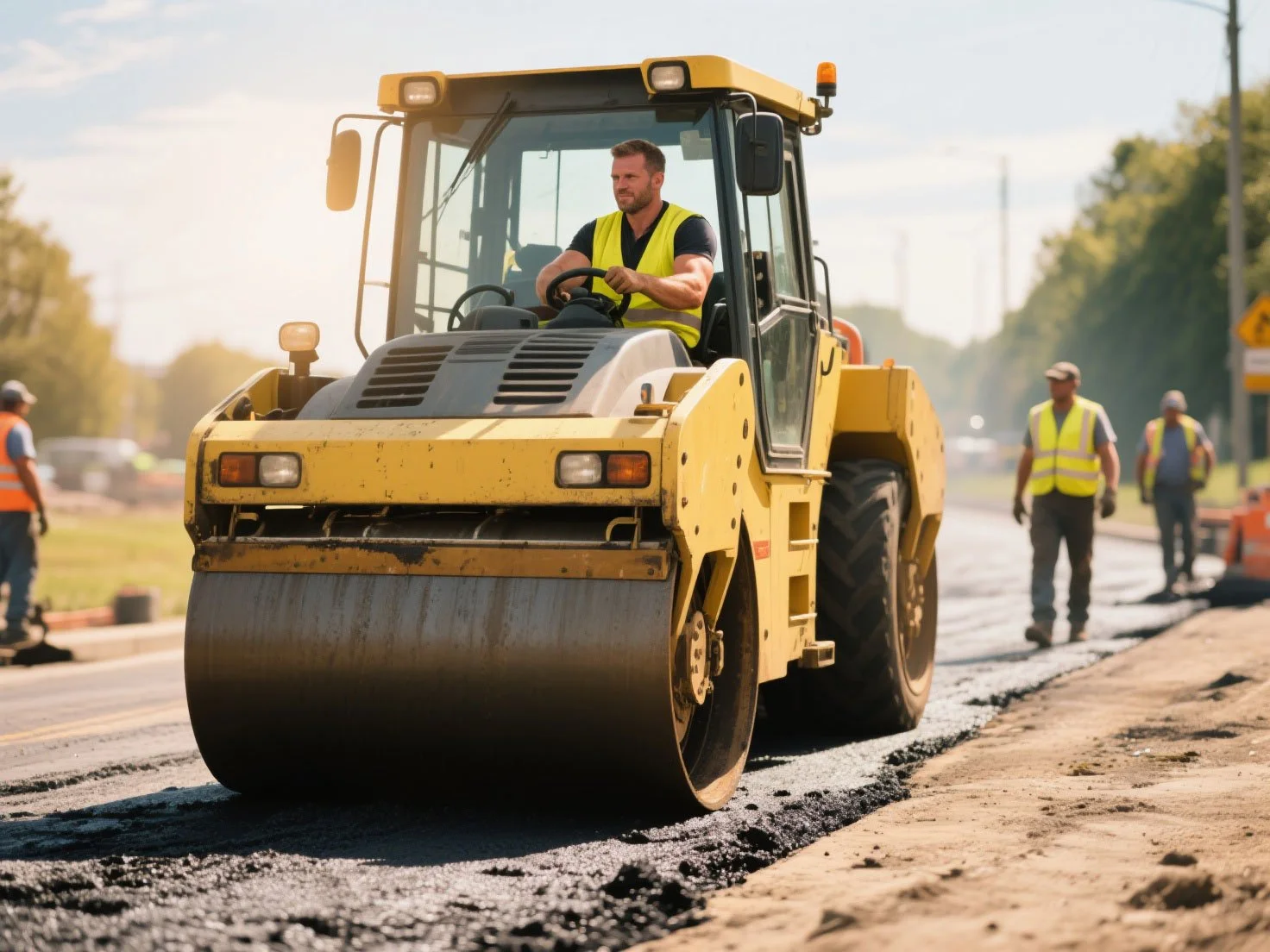
Essential Steps to Mitigate Risks and Avoid Claims
Discover how to identify, assess, and manage project risks.
Key Factors That Affect Builders Risk Insurance Cost
Several factors influence the cost of builders risk insurance. Understanding these elements can help you better estimate potential expenses. These factors include the project's total construction costs and specific regional risks.
Pricing is also affected by the type and size of the project. Materials and construction methods play a significant role. The coverage limits and any deductibles chosen will influence premiums as well.
Here's a summary of key factors affecting builders risk insurance cost:
Project type and size
Location and regional risks
Construction type and materials
Project duration and timeline
Coverage limits and deductibles
Project Type and Size
The type and size of a construction project significantly influence insurance costs. Larger projects tend to require more coverage due to increased risk exposure. Different projects have varying risk profiles, affecting premiums.
Key considerations include:
Residential vs. commercial projects
New builds vs. renovations
Overall project scale
These factors help insurers determine appropriate pricing for the insurance policy.
Location and Regional Risks
Where your project is located plays a crucial role in cost determination. Different regions have unique risk factors, such as weather patterns or crime rates. Insurers assess these elements to price policies accurately.
Factors influencing location-based risks include:
Weather conditions (e.g., hurricanes, floods)
Crime rates in the area
State regulations
Understanding these can guide selecting appropriate insurance coverage.
Construction Type and Materials
The type of construction and materials used in a project affect insurance rates. Some materials pose higher risks than others, impacting the overall premium. Also, construction methods can alter potential hazards.
Consider the following:
Use of combustible materials
Structural complexity
Sustainable building practices
Choosing safer materials and methods can help lower insurance costs.
Project Duration and Timeline
The project's duration directly impacts builders risk insurance costs. Longer projects often incur higher premiums due to prolonged exposure to risks. It’s essential to align your insurance period with your construction timeline.
Important aspects include:
Estimated project completion time
Possibility of extensions
Phased construction plans
Ensuring accurate estimates helps manage insurance expenses effectively.
Coverage Limits and Deductibles
Coverage limits and deductibles are critical in determining insurance prices. Higher coverage limits provide more protection but increase premiums. Conversely, choosing a higher deductible can lower upfront costs.
Key considerations include:
Maximum coverage amount needed
Preferred deductible level
Risk tolerance
Balancing these can optimize your policy cost while maintaining adequate protection.
Optional Coverages and Add-Ons
Customizing your insurance policy with add-ons affects the total cost. Optional coverages address specific risks, offering tailored protection for your project. These might increase premiums but add valuable safety nets.
Potential add-ons include:
Coverage for equipment breakdown
Flood or earthquake protection
Temporary structures and off-site materials
Choosing the right add-ons ensures comprehensive coverage aligned with project needs.
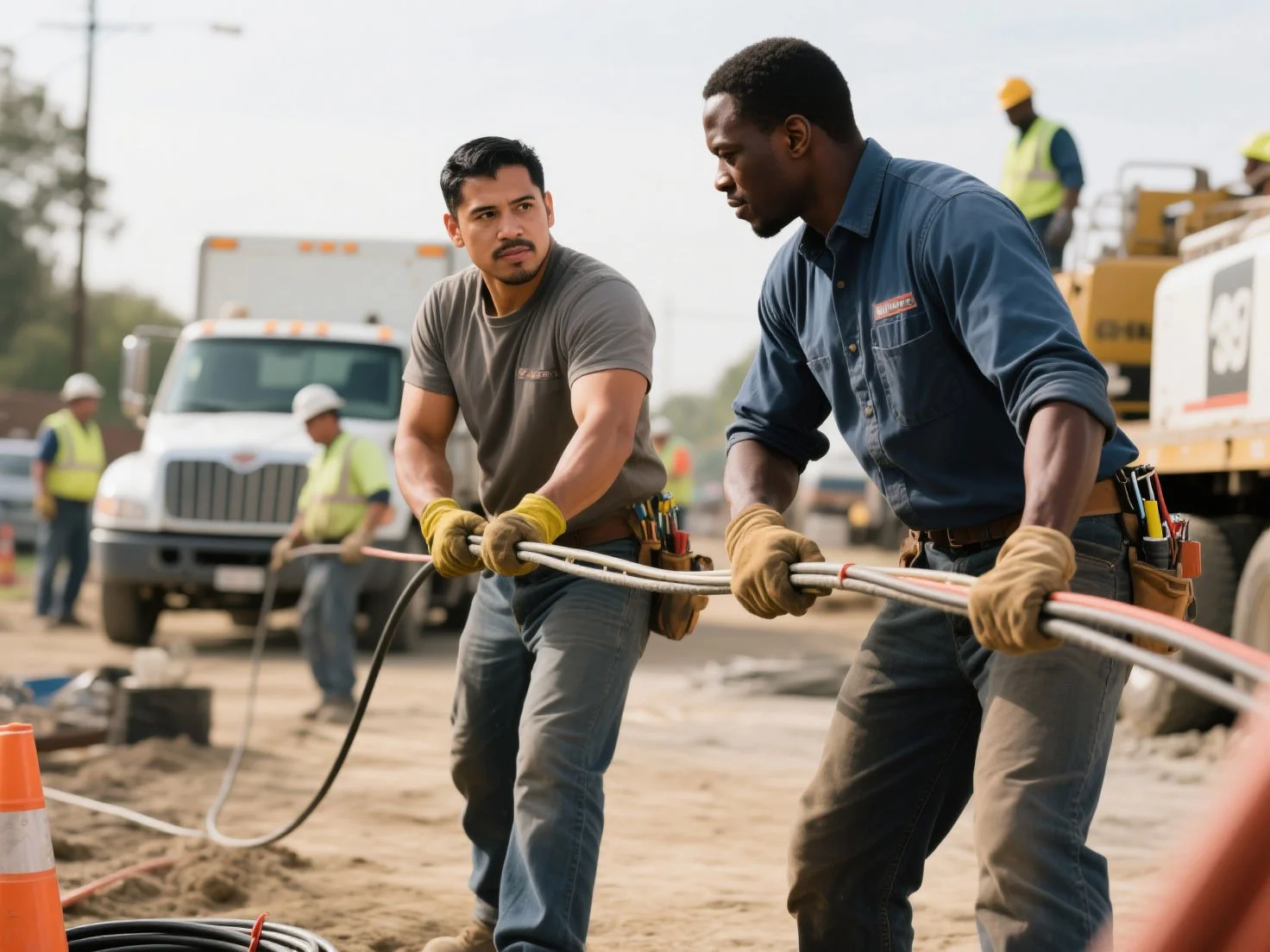
How to Calculate Builders Risk Insurance: Step-by-Step
Calculating builders risk insurance involves several key steps. Start by gathering details about your construction project. Knowing project specifics helps in estimating costs accurately.
Next, assess the potential risks your project may face. This process will aid in determining appropriate coverage limits. Don’t forget to include options for additional coverages if necessary.
Here's a step-by-step guide:
Gather project details and costs.
Evaluate potential risks and coverage needs.
Use calculators or consult an advisor.
Consider additional coverages or add-ons.
Compare quotes from multiple insurers.
Following these steps can help you make informed decisions on your insurance policy.
Using Online Insurance Cost Calculators
Online insurance cost calculators simplify the estimation process. These tools use your project details to provide quick cost estimates. They’re efficient and user-friendly, ideal for preliminary planning.
Utilizing online calculators involves:
Inputting project specifications and location
Adjusting coverage levels and deductibles
Reviewing the estimated insurance costs
With these calculators, gaining an initial understanding of potential premiums becomes effortless.
Manual Calculation Example
Manually calculating builders risk insurance offers a comprehensive understanding of cost factors. Begin by listing all project-related expenses. Include materials, labor, and unexpected contingencies.
Next, apply the typical insurance rate, usually between 1% to 4% of total costs. This range reflects varying project risks.
Consider this example:
Total project cost: $500,000
Expected insurance rate: 2%
Estimated insurance cost: $10,000
Incorporate risk factors for precision in your manual calculations. This method ensures you’re prepared for potential financial commitments.
Builders Risk Insurance Cost Estimates: What to Expect
Estimating builders risk insurance costs involves understanding various influencing factors. Project specifics and location significantly affect pricing.
Typically, insurance costs range from 1% to 4% of the total project cost. It's vital to anticipate variations based on custom requirements and additional coverage.
Factors affecting cost include:
Project size and complexity
Geographic location
Duration and timeline
Chosen coverage level
Understanding these elements helps you prepare accurate budget estimates.
Average Cost of Builders Risk Insurance
The average cost of builders risk insurance can vary greatly. However, most policies fall between 1% and 4% of the project's value. Coverage needs, project risk levels, and additional endorsements cause these fluctuations.
Key points to consider:
Smaller projects may incur lower premiums.
Larger or complex builds usually demand higher coverage.
Custom modifications influence cost.
A detailed analysis helps pinpoint precise cost estimations for your project.
Builders Risk Insurance Cost in Texas and Other States
In Texas, builders risk insurance costs can differ due to specific regional risks. Factors like hurricanes and local regulations lead to premium variations.
Comparatively, states with milder climates may see reduced rates. Different regions bear distinct challenges that impact insurance pricing.
Consider these distinctions:
Higher risk areas usually face steeper costs.
State-specific regulations can increase minimum coverage.
Location-based factors should guide initial budget considerations.
These variations make understanding your state's specific factors crucial in estimating insurance costs accurately.
Tips to Lower Your Builders Risk Insurance Price
Reducing builders risk insurance costs starts with proactive measures. Implementing safety protocols can earn significant discounts. Insurance providers often reward contractors who emphasize safety.
Consider these strategies to reduce premiums:
Enhance site security and monitoring.
Use fire-resistant materials in construction.
Maintain a clean and organized worksite.
By prioritizing risk reduction, you not only lower costs but also ensure a smoother construction process. Regularly review your policy for any unnecessary add-ons that could be eliminated to reduce expenses.

Common Mistakes to Avoid in Builders Risk Insurance Calculation
Avoid these common pitfalls when calculating builders risk insurance to ensure adequate coverage:
Underestimating the total construction cost.
Overlooking regional risk factors.
Ignoring updates in project scope.
Underinsurance can lead to significant financial losses if unforeseen events occur. It's also crucial to regularly update your insurance details as the project evolves. Ensuring accuracy from the start helps avoid future complications and expenses.
Frequently Asked Questions About Builders Risk Insurance Cost
Understanding builders risk insurance can be challenging. Here are some frequently asked questions to help clarify the complexities.
-
Builders risk insurance typically covers losses due to theft, vandalism, and weather events. However, it's important to check specific policy details.
-
Yes, many policies allow coverage for materials stored away from the construction site, enhancing project protection.
-
While not legally required, many lenders and contracts mandate this insurance to safeguard construction investments.
Conclusion: Protect Your Project with the Right Coverage
Securing builders’ risk insurance is essential for safeguarding your construction investment. Choosing the right coverage limits risk exposure during the building process.
Evaluate project specifics, risk factors, and insurance options to find the best fit. Proper builders’ risk insurance ensures peace of mind, allowing focus on successful project completion. Making informed insurance choices is a wise investment strategy.